

Digger: Burst Your Bubble and Watch Warner Bros.’ Last Bomb.
Written By: Daniel Ramirez
Film & Sports Data Contributor
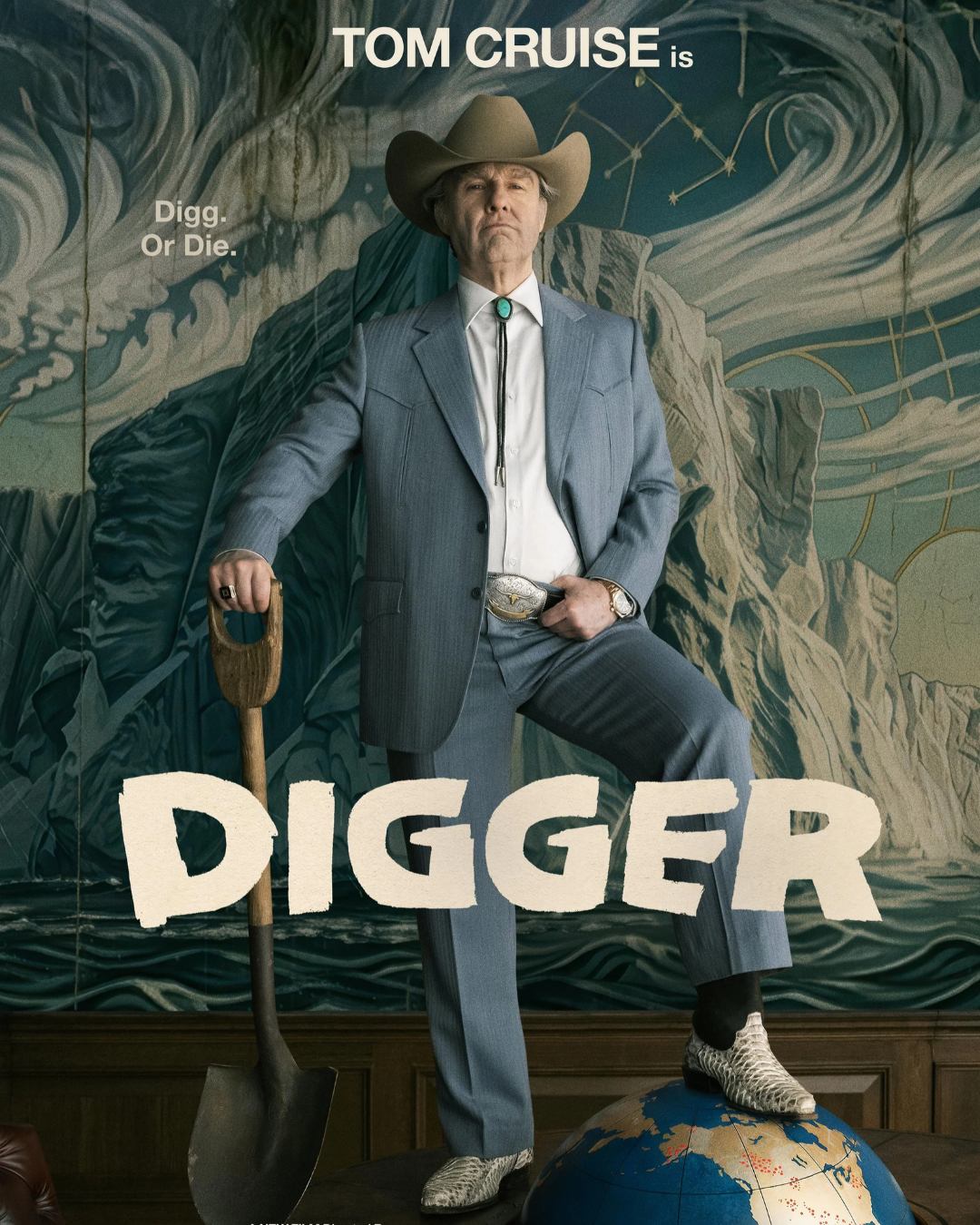
Tom Cruise stars in Digger.
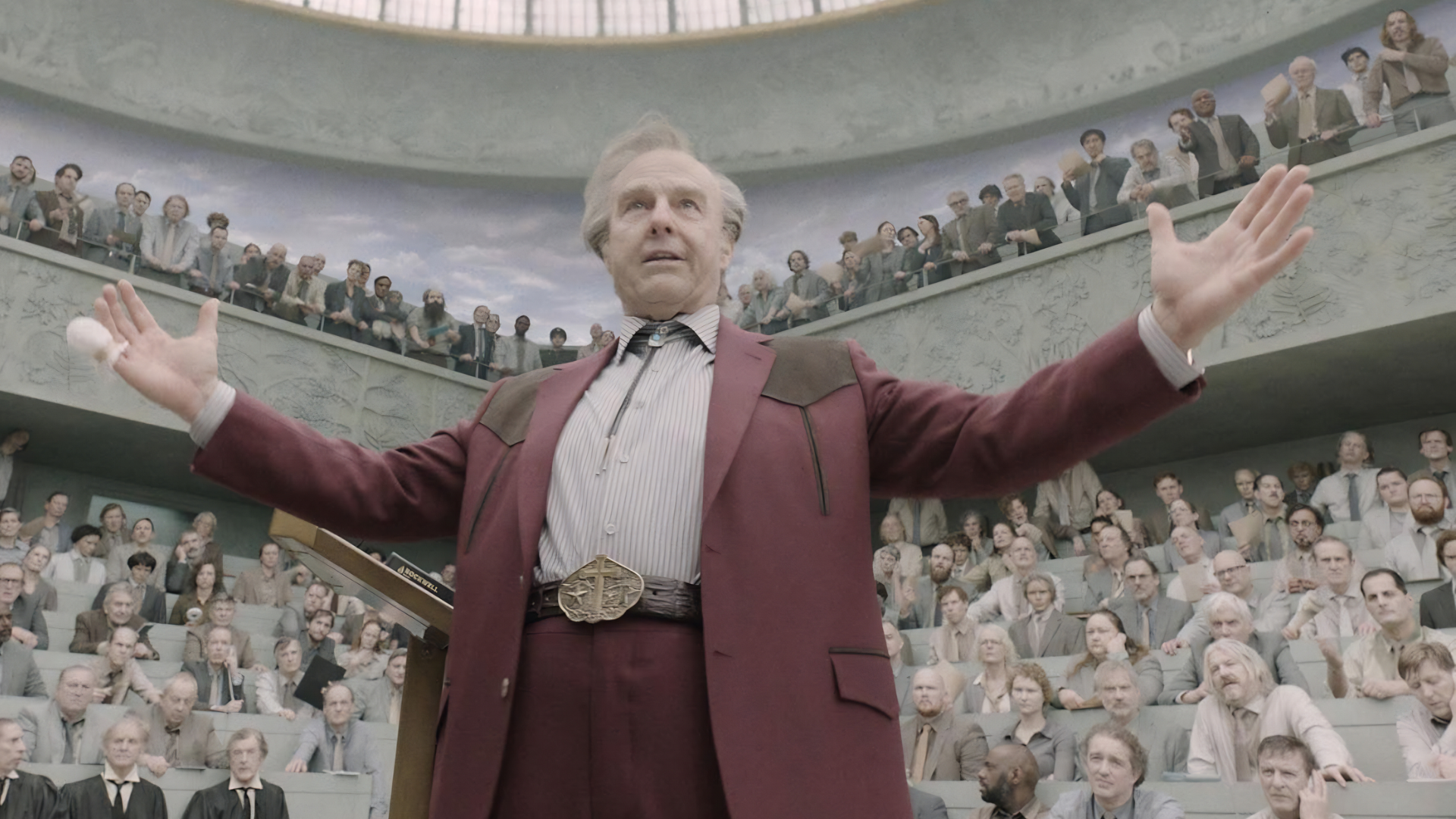
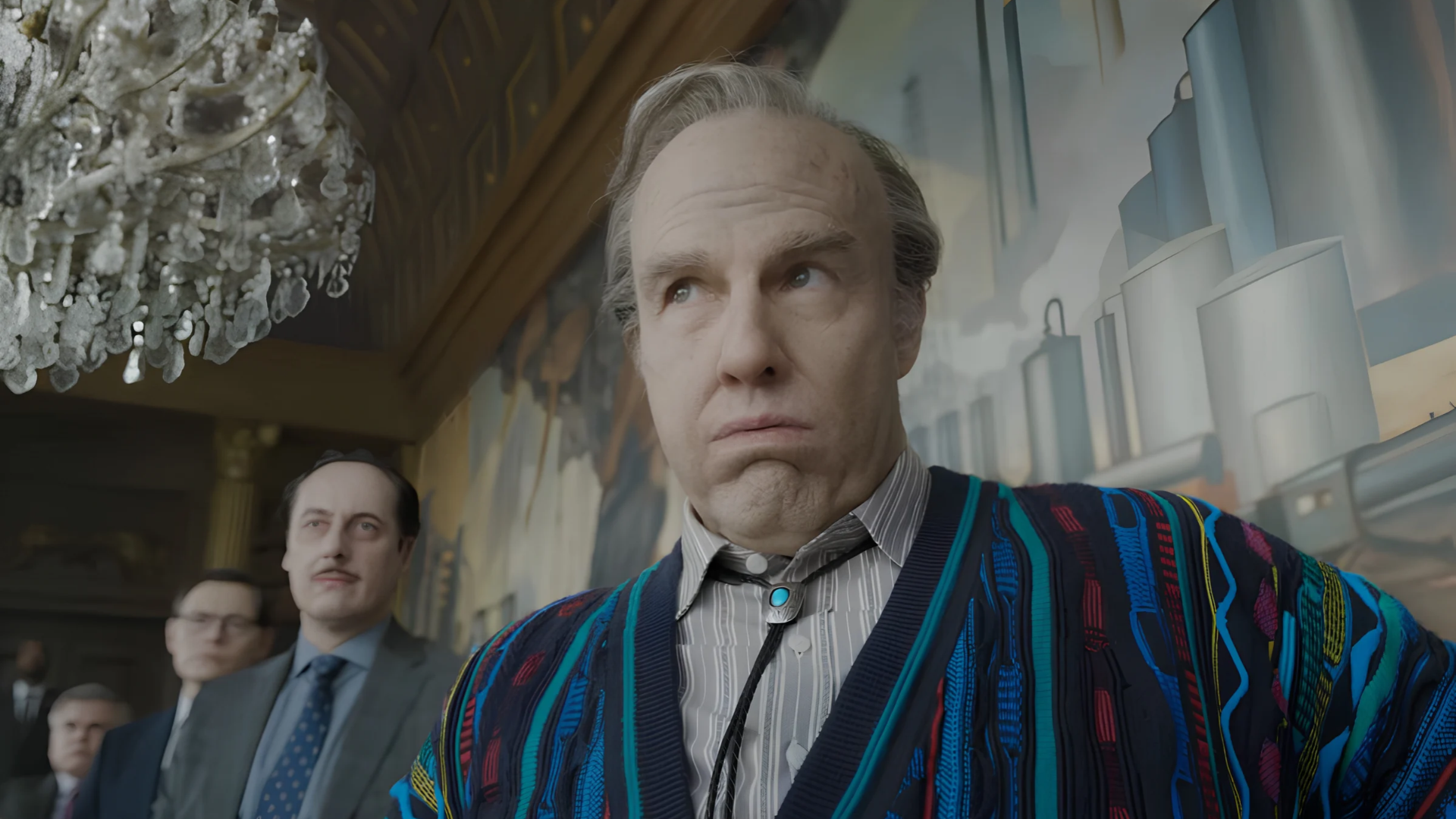

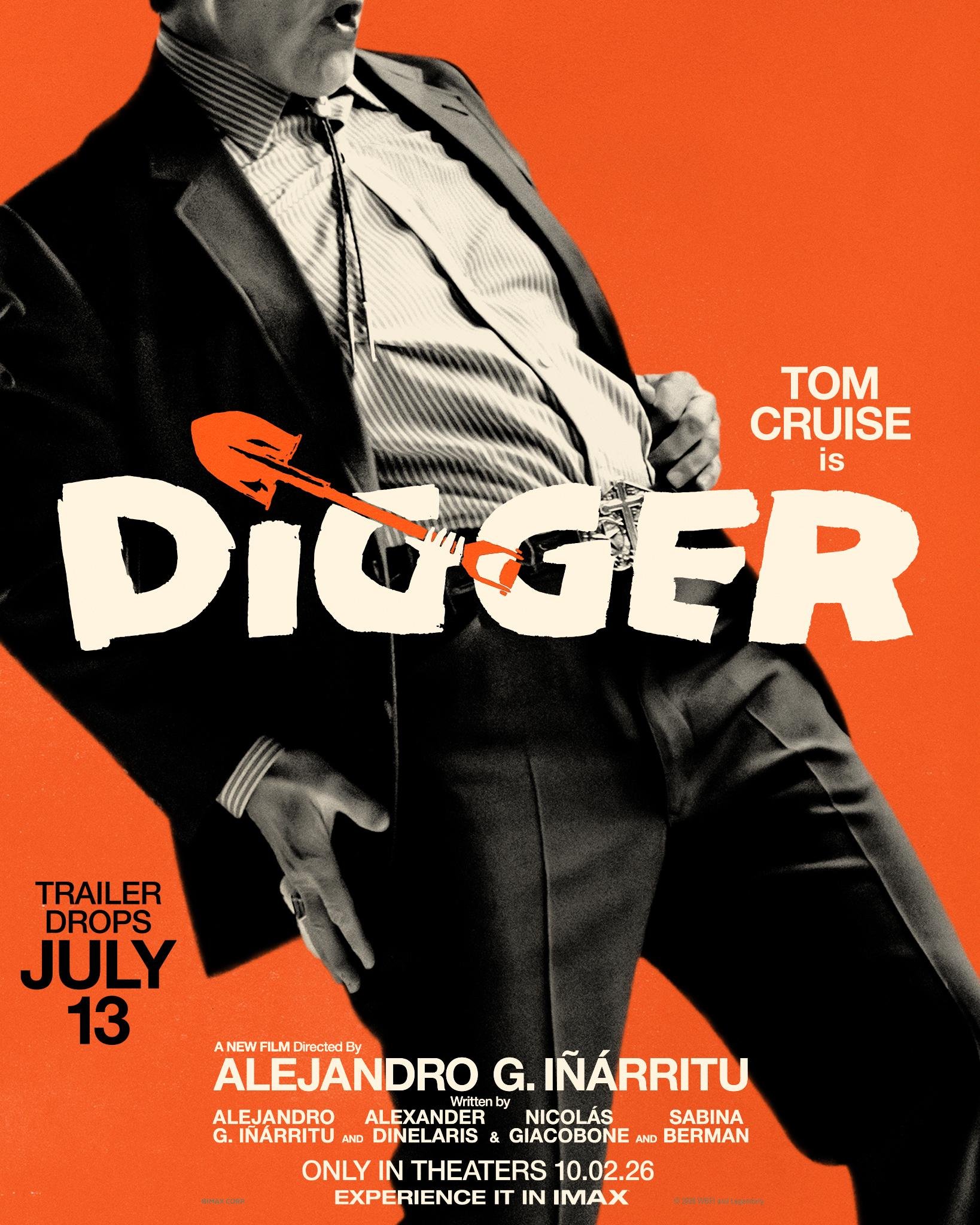
Digger opened a highly anticipated October in spectacularly poor fashion, grossing just $8M domestically against a reported $125M production budget. Some reports suggest the final cost may have ballooned up to $180M, but rumors can spread faster than wildfire in Tinseltown.
And yet, buried beneath the box-office disaster is one of the most original, intentionally obnoxious, and poetically polarizing studio films of the year.
Cruise delivers his most dynamic performance in a generation: consistently hilarious and, on occasion, intensely heartfelt. He shares his habitat with a cast, some of which deliver career highlight reel material. Riz Ahmed turns in his best supporting performance since Nightcrawler. Between Talk to Me, Babygirl, and her limited but incredibly effective screen time here, Sophie Wilde officially enters Sideline’s Ones to Watch.
Thematically, Digger explores the concept of bubbles.
Its opening shot hoodwinks us, first appearing to look out into the universe before revealing itself to be nothing more than bubbles. An elegant level-set, right at the top, warning the audience that no narrative is sacred.
The film breaks our bubble at least twice more. Once, roughly at the 1st Act break. Again, right as the credits roll because Digger isn't solely interested in the bubbles within its own story. It aims to pop the ones surrounding those willing to watch it.
Critics have called the film pompous, exhausting, arrogant, smug and self-important. But it’s rich to hear such vicious criticisms in an era that cries out for new, original, bold and provocative pieces. Critics love to immediately punish filmmakers when they refuse to construct the exact film that they personally would have made… but didn’t.
That’s the bubble.
We build expectations around a film, decide what it should be, and then feel betrayed when the filmmaker has the audacity to make something else.
Films like The Wolf of Wall Street, The Substance, Don’t Look Up and Digger are provocative with purpose: to expose our own hypocrisies. To pry open our eyes, a la Alex in A Clockwork Orange, and force-feed us the mercury-poisoned reality of next-day delivery, fast fashion, single-use plastics and fingertip media.
Digger proposes something considerably more uncomfortable: that the climate crisis isn't simply the fault of cartoonishly evil billionaires. It is also enabled by an insatiable desire for modern convenience.
There is no supply of Earth's non-renewable energy without our endlessly renewable demand. Humanity has become extraordinarily adaptable when it comes to physical comfort. We heat our water, cool our offices, filter our air. We constantly invent technology designed to make an increasingly hostile environment more comfortable for us.
But mentally? Not so much. The willingness to adapt our physical world has dramatically outpaced our willingness to adapt our thinking. Our opinions, expectations, and assumptions. Ideological bubbles provide comfort. Algorithms reinforce them. And media increasingly does the same.
Which brings us to the third bubble: Hollywood.
Studios want four-quadrant, focus-grouped, financially explainable projects. Something non-offensive enough to sell everywhere, familiar enough to understand immediately, and safe enough to defend to shareholders.
But then audiences complain that movies are boring. That nothing is original anymore. That Hollywood doesn't take risks. And when a legacy studio actually takes a giant, weird, divisive $125M swing? It gets buried.
That is the most frustrating irony of Digger. Its failure reinforces the exact ecosystem it is criticizing.
Digger’s release shatters a bubble 103 years in the making. On October 6th, Paramount completed its acquisition of Warner Bros. Discovery, creating the newly combined Skydance.
It marks a new era for what is left of Hollywood… assuming they don’t move to Nashville to avoid rising sea levels. But what hopefully does not dissolve is Warner Brother’s secret sauce. They pioneered a business strategy of finding quirky visionaries with distinct voices, and affording them the freedom and support to manifest their dreams onto the big screen and inspire audiences everywhere.
This is a studio that contributed to the legacies of Stanley Kubrick, Greta Gerwig, Ryan Coogler, and Denis Villeneuve to name a few. This business model has been imitated in-part by new tech heavy-weights like Netflix, and a multi-generation-defining phenomenon like A24, but it would be such a shame to see the premier player get swallowed up by a new merger.
And yes, maybe Digger is a bad business decision. Too weird. Too expensive. Too much. But if the only movies worth making are the ones guaranteed to work, eventually audiences will just get served dusted off IP, legacy sequels, and reboots… Oh…
So how do you measure success in a business of empathy? If it's only about the 10-Q and its current stockholders, then a moment of silence for the Warner Bros. brand… But if it's about something bigger: an unquantifiable entry of art for future generations, or even aliens, to study after humanity inevitably blows itself up? Then maybe Digger deserves a different accounting. Like Enron!
Because sometimes the most valuable thing a movie can do is burst your bubble.
© 2026 Sideline Society Media. All original content, branding, and editorial work are protected. Third-party media is embedded for editorial purposes and remains the property of its respective rights holders.
