

Christopher Nolan's The Odyssey: An Aura Farming Epidemic.
Written By: Daunte Lee Jones
College Football, Film, & MMA Contributor
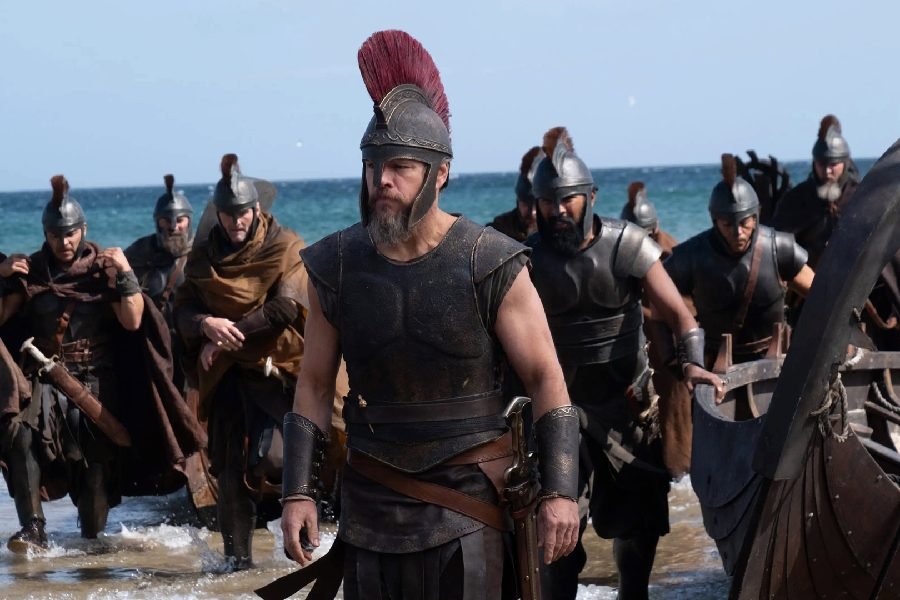
Matt Damon plays the lead role of Odysseus, the legendary King of Ithaca and mastermind of the Trojan Horse.
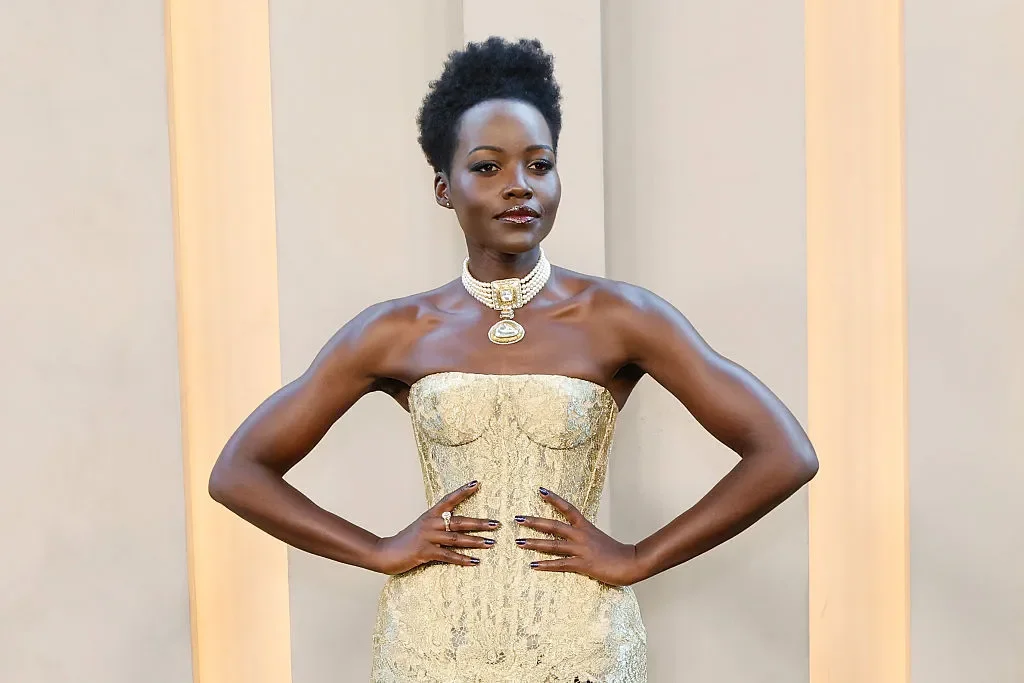
Actress Lupita Nyong’o as Helen.
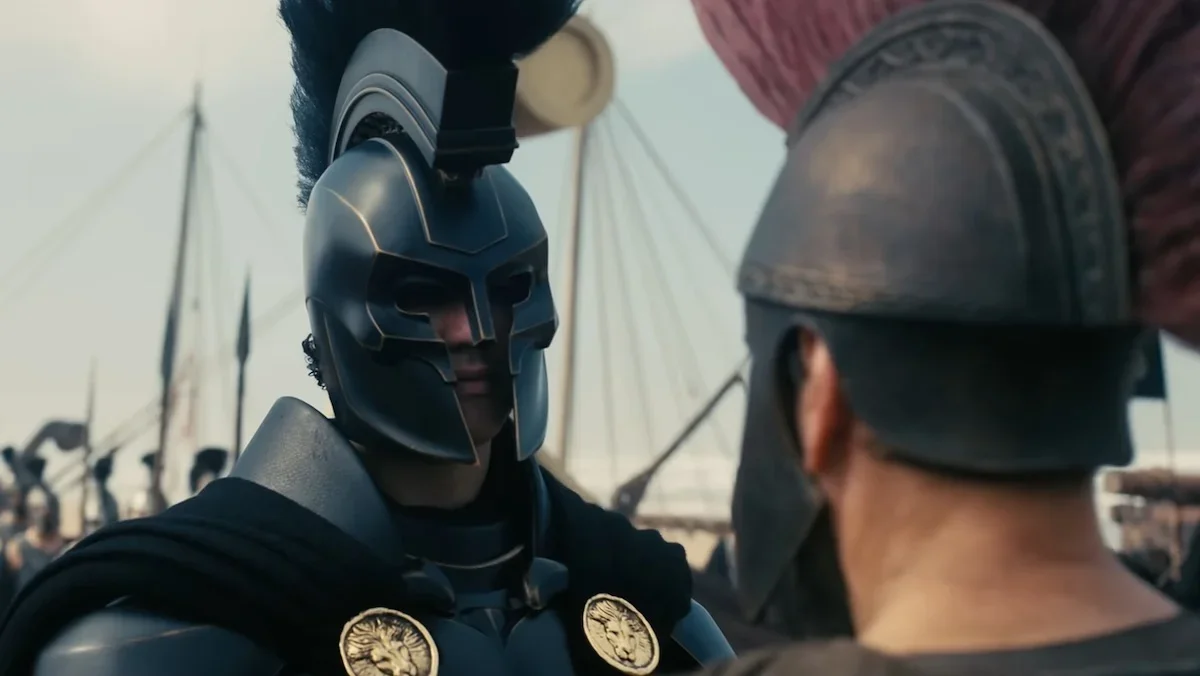
Benny Safdie plays the legendary greek king Agamemnon.
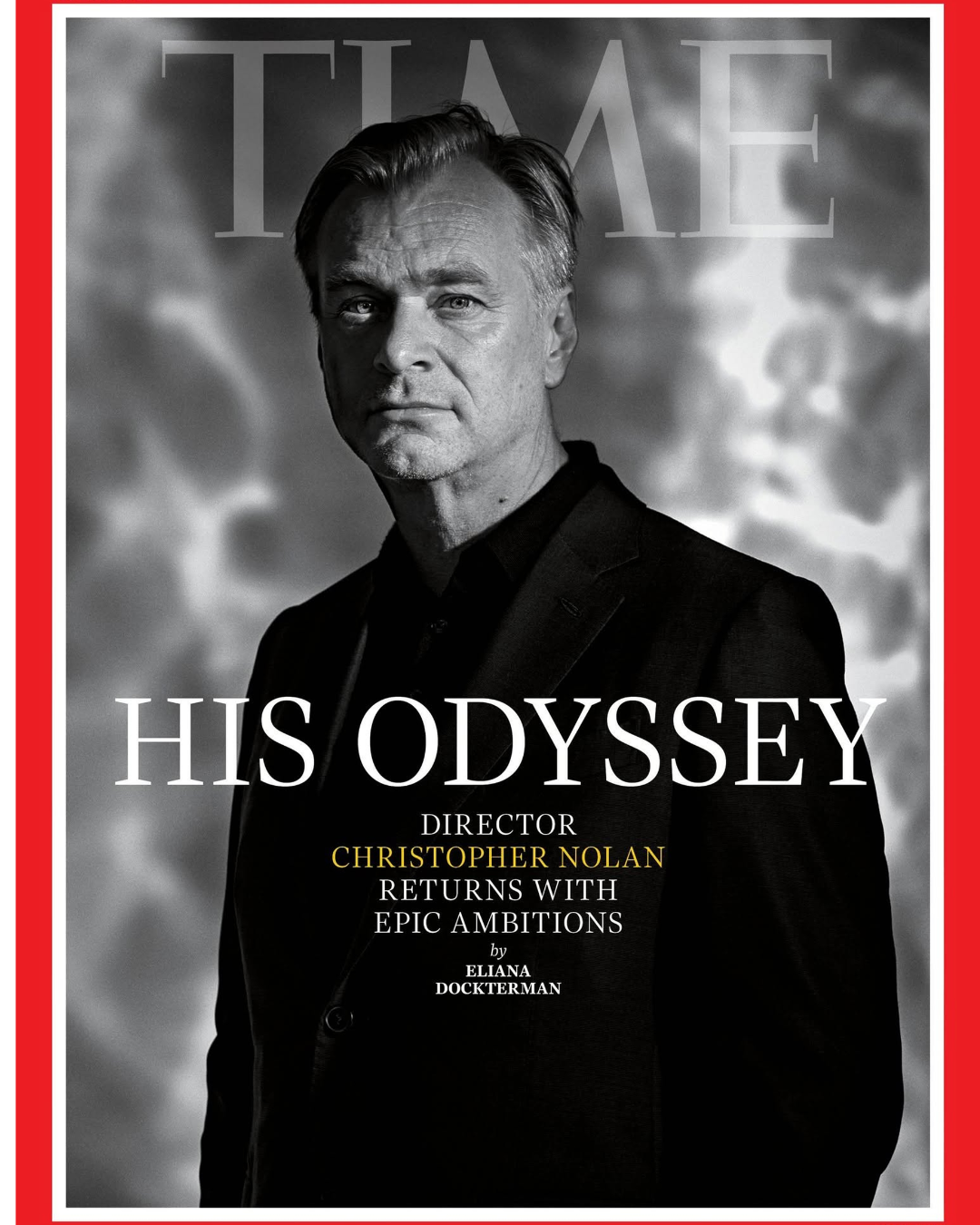
Director: Christopher Nolan featured in Time Magazine.
Just when we thought Christopher Nolan reached his peak with Oppenheimer, he creates his magnum opus within The Odyssey. Black holes, nuclear explosions, and now Greek mythology. Nolan's ability to create what we've never seen before through practical means is truly out of this world. But while many will speak about the creation of a life-like 60-foot cyclops puppet, incredible real-location sets, and an impressive soundtrack, I will speak about an aspect not covered widely post-film: the underrated characters and actors who contributed to the film.
First, I'd like to look into the most criticized casting choice in the film, one that would later be completely validated: Lupita Nyong'o as Helen of Troy. In Nolan's Odyssey, the pride of the Greeks is confronted along with the despair left in their footsteps and the sin committed along the way. Nyong'o's Helen, rather than acting as a symbol of beauty who sparked the Trojan War due to men's desire to be with her, acts as a tool of Agamemnon, who uses her escape to justifiably go to war with the Trojans with the intent to seize control of vital trade routes.
King Menelaus' one-sided love for Helen in the film is also used to establish the Greeks as selfish men who take what they want, regardless of others' thoughts or the gods. Within the scene with Helen and Menelaus, we see her face disfigured by scars, and through her words and presence it is made obvious that to her, she is no more than a slave to Menelaus. By casting Lupita Nyong'o, an actress of African descent, the power dynamics established in the film subconsciously remind us of the slavery period and force a comparison between the Greeks and slave owners in our own history. Simply put, many other actresses could not bring that comparison to the surface for the audience.
As with many characters in hindsight, the reason they are created can be overshadowed by a cool design or changing public opinion, and that's exactly what we are seeing with Benny Safdie's interpretation of Agamemnon. We've all seen the "aura farming" memes now associated with the character, but what we should also see is his role in the story for Odysseus.
He acts as the path Odysseus would have walked had he not realized the pain and suffering his actions caused, and instead bathed in the blood of his victims. Throughout the film, we never see Agamemnon's exposed face, because what is under holds no power. His armor itself carries the reputation of a beyond-human king who can incite fear just by his sight. So the moment the king takes off his armor and lets his guard down, he becomes nothing but human, without his shell to hide inside.
Lastly, I would like to speak about Elliot Page's performance as Sinon. Many who haven't seen the film mistake Page for playing Achilles, but their roles couldn't be more different. Sinon is the younger brother of Antinous, tricked by the snake into enlisting in the Trojan War. There, he would act as the tool for the Greeks to sneak the Trojan horse into Troy, without the knowledge of the Trojans or Sinon himself.
The choice for Page to portray Sinon comes from the actor's ability to portray a boy who was raised in war to become a man, but is still a boy in mind, which makes Page's stature and look perfect for the role. This leads to the scene later in the film where Odysseus is forced to confront all the men he led to their deaths. Sinon acts as the main representation of them, expressing the betrayal he felt. This moment impacts Odysseus, as he sees one of the children he raised become a tool in the war.
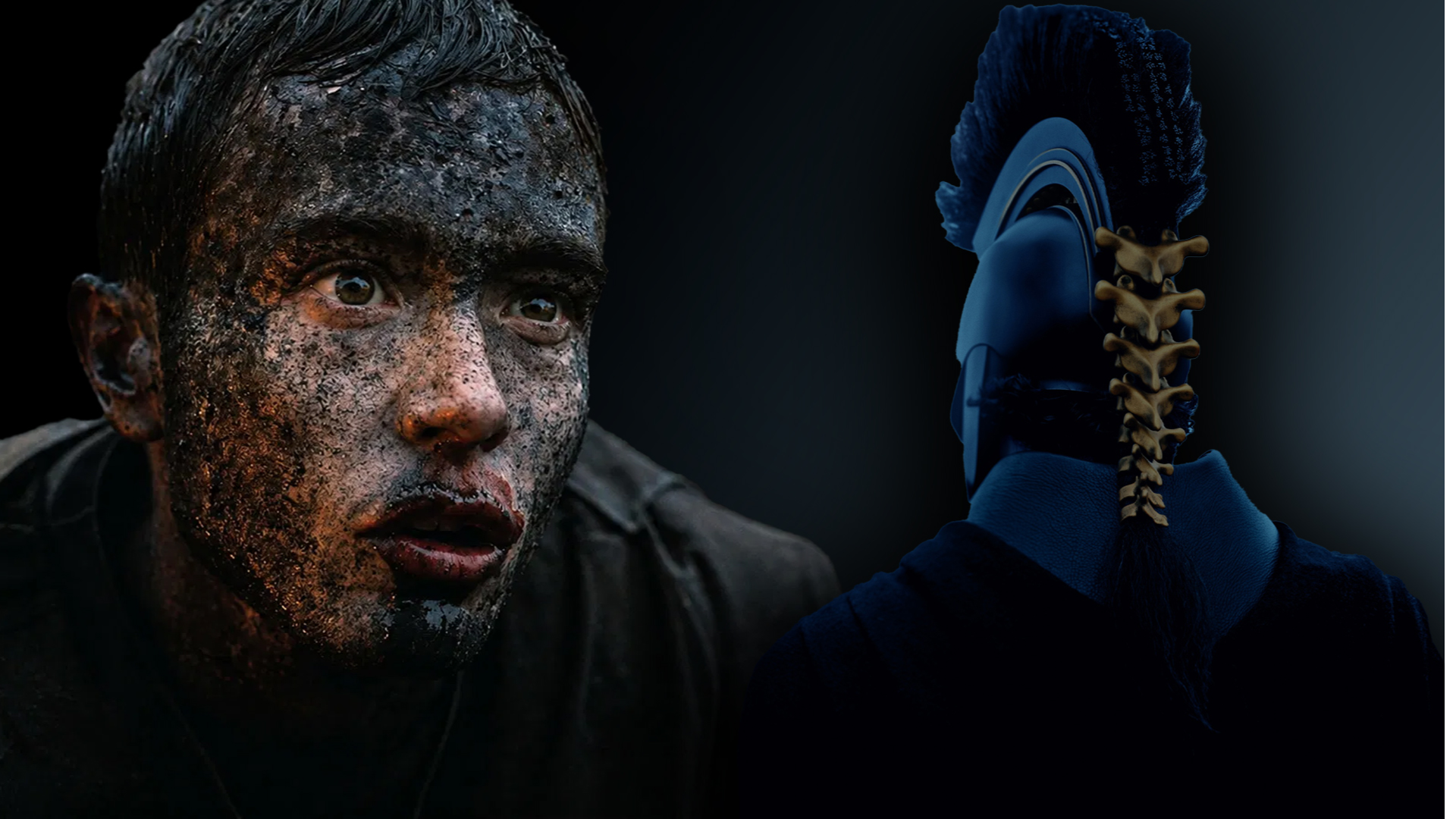
Cover art for the Odyssey designed for Sideline Society Media by Daunte Lee Jones.
© 2026 Sideline Society Media. All original content, branding, and editorial work are protected. Third-party media is embedded for editorial purposes and remains the property of its respective rights holders.
