

No Translation Needed: The Bad Bunny Story.
Written By Audree Saluta
Culture, Fashion & Live Events Contributor.
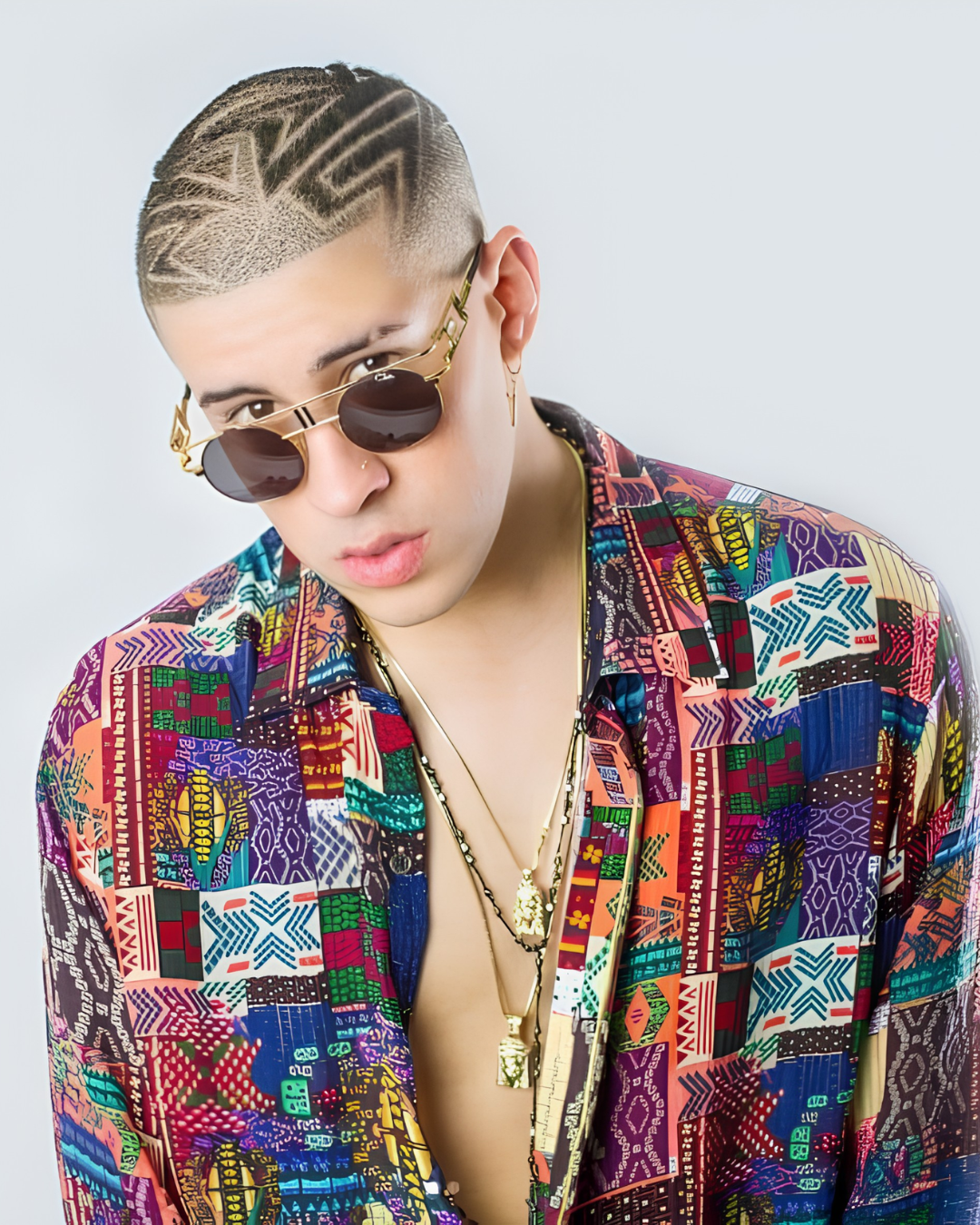
Young Bad Bunny when he first came onto the scene.
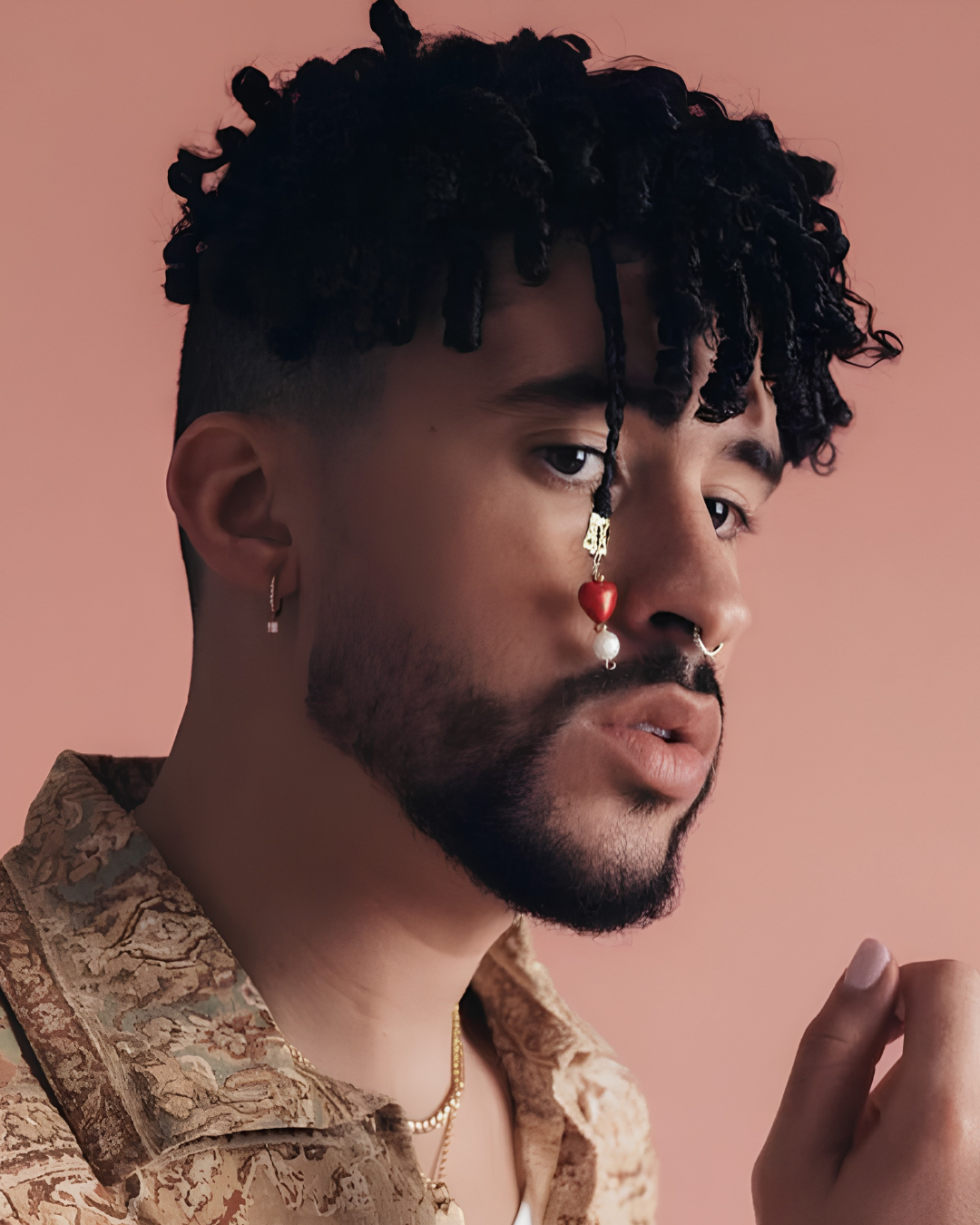
New looks for new era’s.
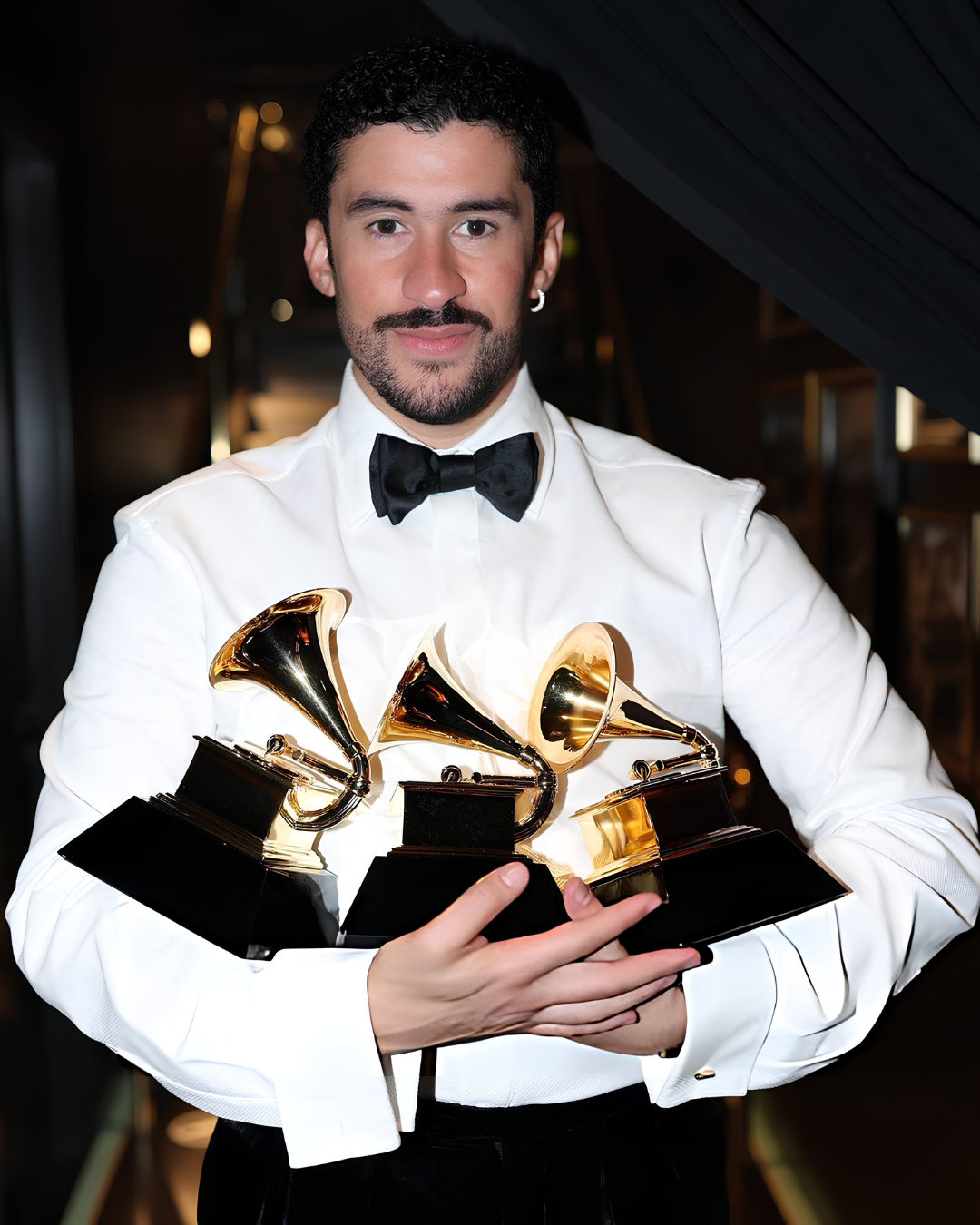
Bad Bunny is a six-time Grammy winner.
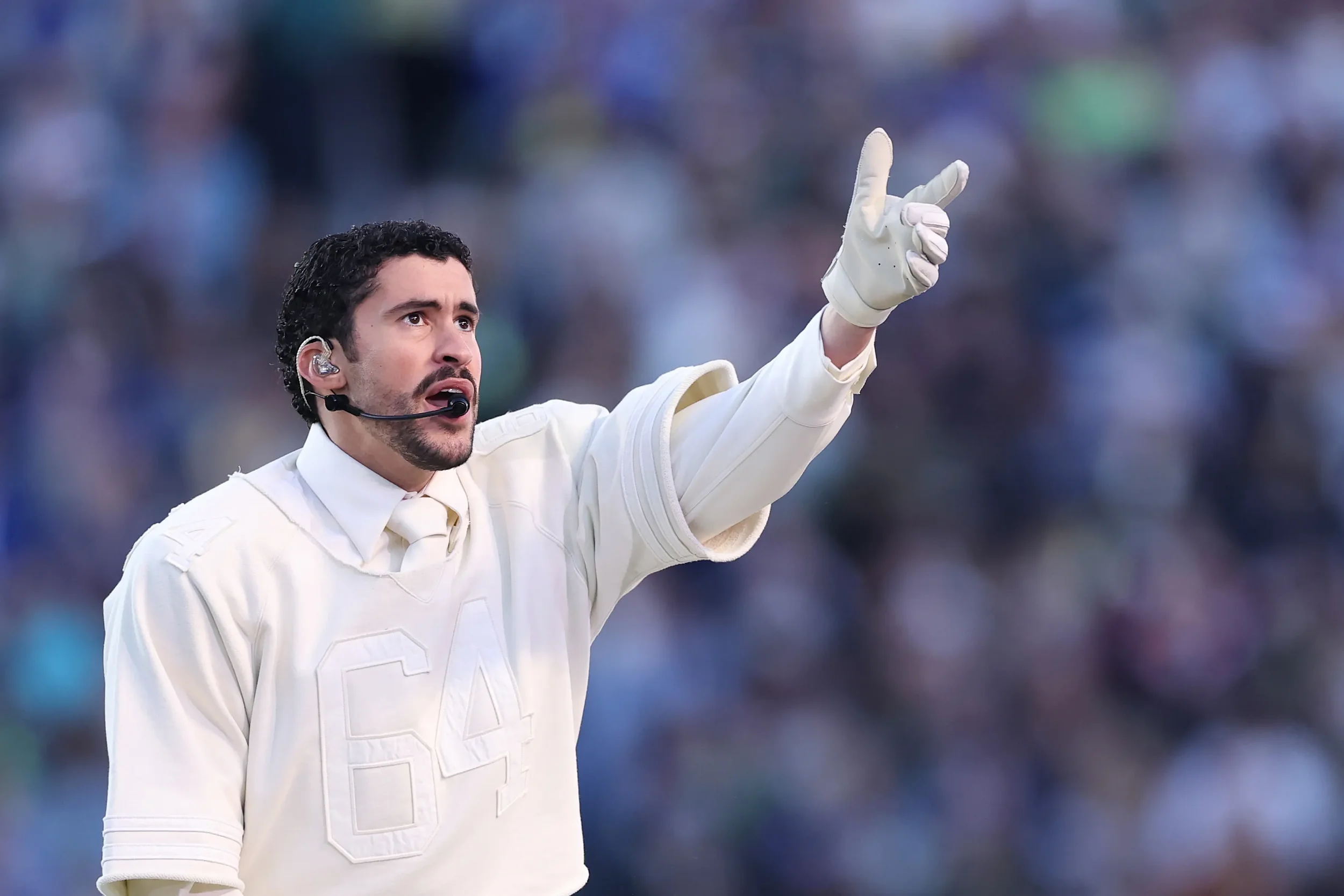
Benito Antonio Martinez Ocasio grew up in Vega Baja, Puerto Rico, in a house where reggaeton played loud and island life moved at its own pace. Before the world knew him as Bad Bunny, he bagged groceries at a local supermarket. He worked the shift, then went home and uploaded tracks to SoundCloud, building a sound that felt like home rather than a genre.
What set him apart was his dedication. It was how completely he refused to become someone else for an American audience. He didn't switch languages. He didn't soften his accent or file down his Puerto Rican slang to make himself easier to market. He leaned into the Caribbean rhythm and the rawness of Latin trap, and people connected with it.
Bad Bunny didn't step into mainstream culture.He made Spanish rap impossible to ignore, even in rooms that had spent decades reserved for English speaking artists. His early collaborations with Drake, Cardi B, and J Balvin cracked the door open. His solo work kicked it off its hinges and pushed Spanish language music into global dominance, and once that happened there was no ceiling, only new records waiting to be broken.
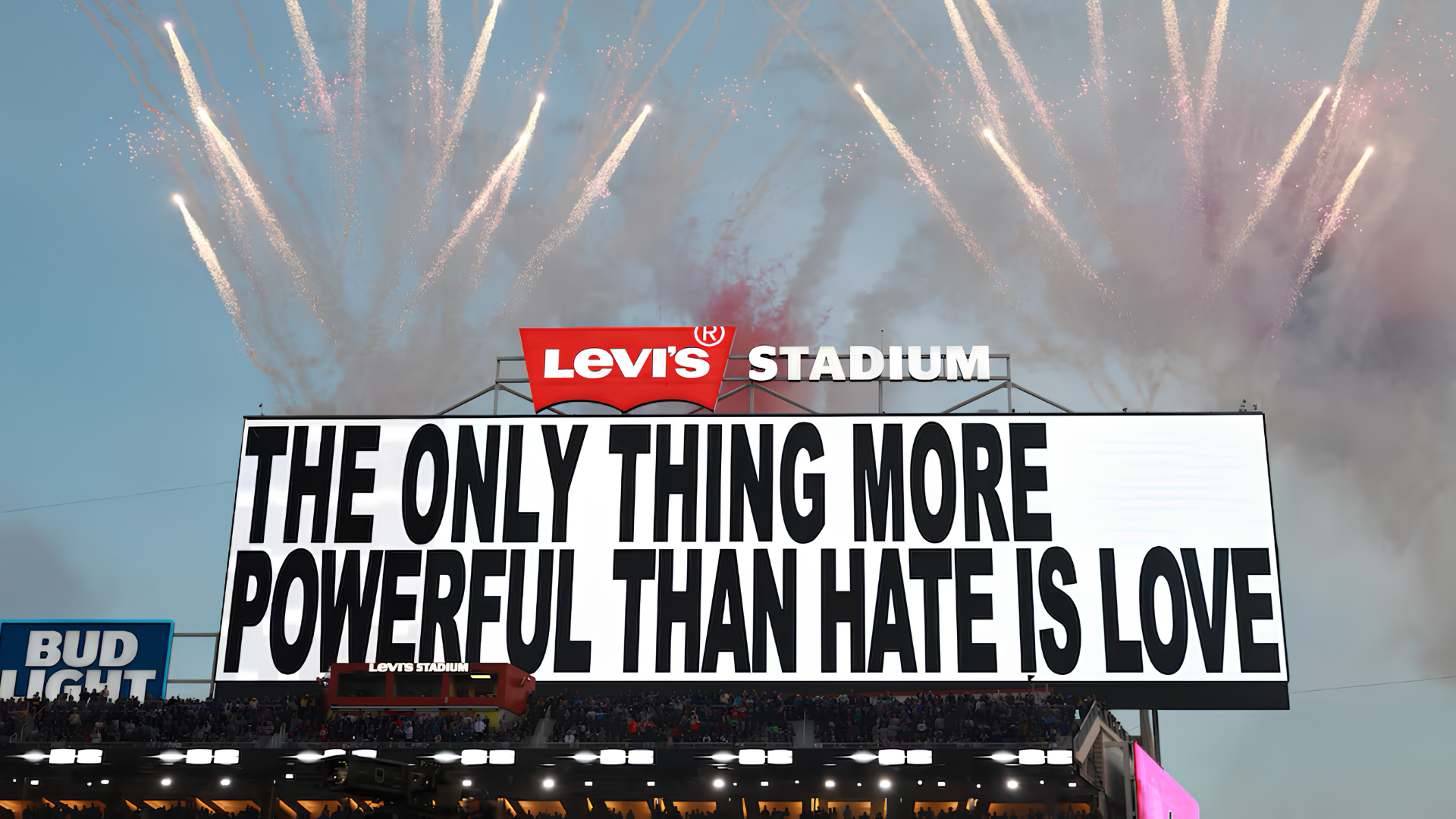
That dominance reached its clearest form when Bad Bunny was announced as the Super Bowl LX halftime show headliner. His performance kept making history long after the final note, pulling in 4.1 billion streams within the first 24 hours. He became the first solo Latino artist to headline the halftime show. A Spanish speaking trap artist commanding the stage at one of the biggest nights in American entertainment sent a message that didn't need translation.
Latin artists were no longer waiting for an invitation to the main story.
They had become the main story.
© 2026 Sideline Society Media. All original content, branding, and editorial work are protected. Third-party media is embedded for editorial purposes and remains the property of its respective rights holders.
